
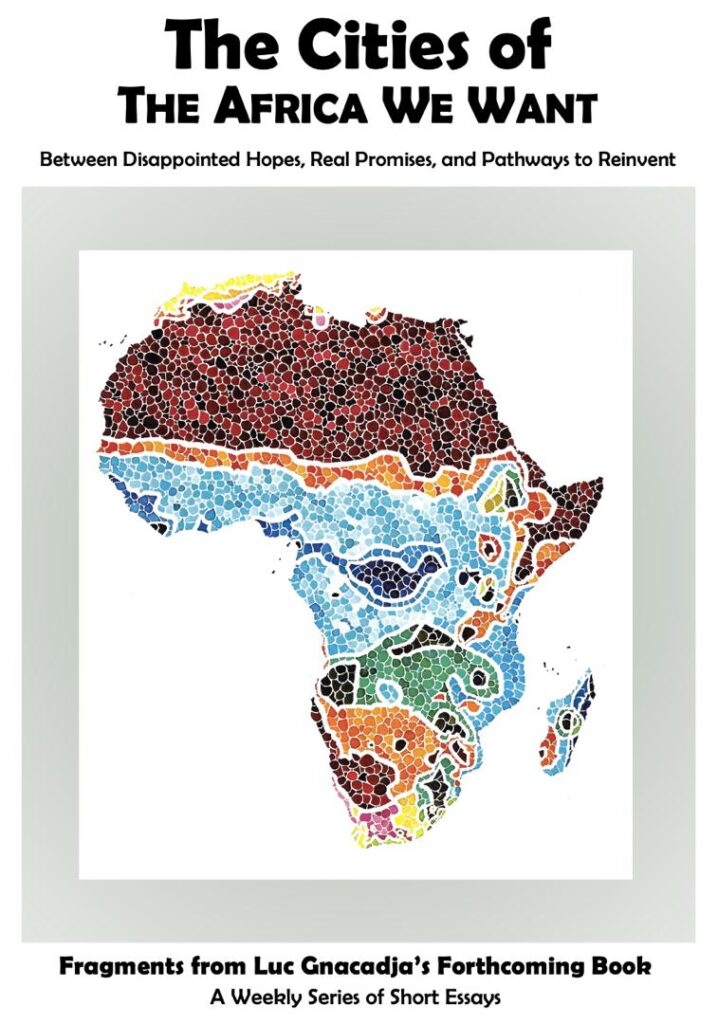
A New Conversation About African Cities Begins
Africa is entering a decisive century.
And the true theatre of its future is urban.
Yet our public debate remains trapped in:
📌 imported narratives
📌 pre-packaged diagnostics
📌 repeated misunderstandings
What continues to escape us is essential:
➡️ African cities are not a problem to manage — but a power to reveal.
A revealing fact:
The African Union’s Heads of State have never dedicated a single summit to urbanisation, despite the centrality of cities to Africa’s emergence.
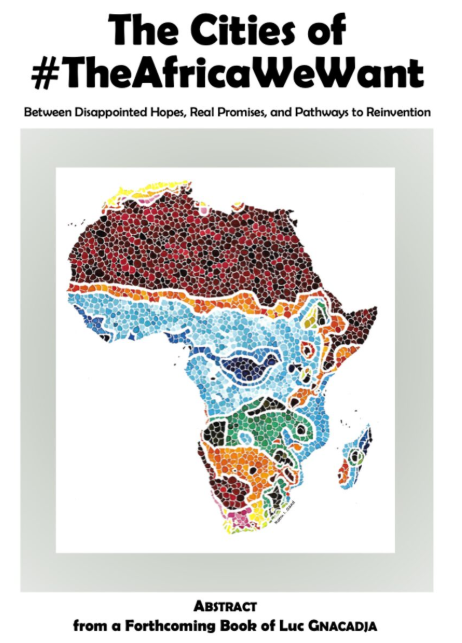
This silence partly explains why I wrote The Cities of the Africa We Want, a book developed over two years of research and writing.
A book intended to bring back into the public debate what is still missing:
🔹 an African gaze on African cities
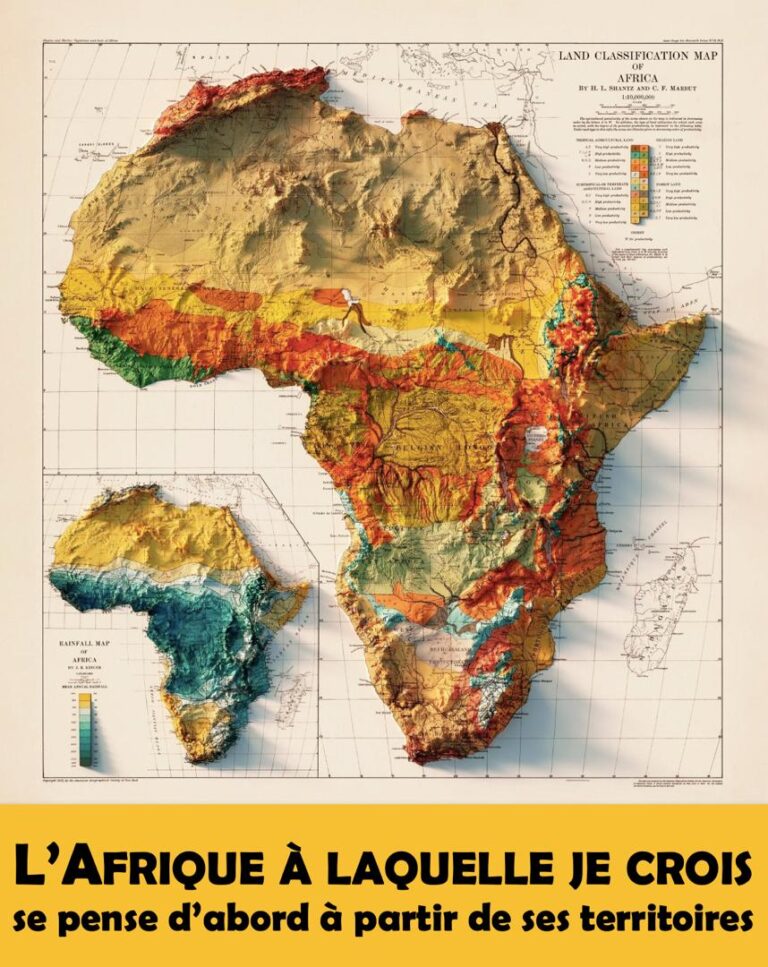
🔹 a territorial reading anchored in reality
🔹 our constraints and climatic urgencies
🔹 and our shared aspirations
Starting this week, I am opening a weekly series drawn from the book.
Every week:
✨ excerpts
✨ analyses
✨ context
✨ proposals
— to rethink Africa’s urban future together.
My objective is clear:
to place the city at the heart of territorial transformation, and to contribute — modestly — to what Africa urgently needs:
➡️ direction
➡️ coherence
➡️ a renewed urban imagination
Re-thinking our cities is not an intellectual luxury.
It is a condition for territorial sovereignty, social equity, climate resilience, and public effectiveness.
Above all, it is an invitation to see our cities for what they are… and for what they could become.
Welcome to this new conversation.
AfricanUrbanisation #AfricaWeWant #Territories #ClimateAction #SustainableCities
This follows my original French post published last week, which opened this new African conversation on urbanisation.
— Luc Gnacadja
A New Conversation About African Cities Fragments from My Forthcomming Book « The Cities of the Africa We Want »
By Luc Gnacadja
Africa is living through the fastest and most consequential urban transition of the 21st century. In seventy years, its urban population has grown twenty-sevenfold. By 2050, nearly one billion additional Africans will live in cities. Nothing about the continent’s future, its economic dynamism, social cohesion, political stability, or climate resilience, can be understood without this simple fact: Africa’s destiny is being written in its cities.
Yet we too often view urban Africa through lenses that distort more than they reveal.
The first is the familiar narrative of “urban explosion,” which reduces cities to spaces of chaos rather than ecosystems of opportunity.
The second is the notion that African cities are inherently “deficient”—defined by what they lack instead of the value they create.
The third is the illusion of a “placeless city”: an urbanism imagined in isolation from the territories that feed, sustain, and anchor it.
These misconceptions obscure the forces that actually drive Africa’s urban future: the vitality of its popular economies; the creativity and ingenuity of its people; the resilience of its self-built neighbourhoods; and the strategic importance of secondary cities and cross-border urban clusters. These are real engines of transformation—but they remain under-recognised and under-funded.
It is to challenge these narratives, and to help shift our collective gaze, that I have spent the past two years working on a book titled The Cities of the Africa We Want.
This project grew out of an essay I wrote in 2022 for ICLEI Africa’s Africa Rise series. What began as a reflection on an overlooked dimension of development has since evolved into a deeper inquiry into Africa’s urban, territorial, ecological, and political trajectories—and the transitions we must embrace to build cities that are liveable, dynamic, and regenerative.
Today, as Africa stands at a crossroads, the stakes could not be higher.
Our cities are expanding but not sufficiently transforming their territories.
They develop in places where climate risks are accelerating.
They move millions daily, but without viable mobility systems.
They carry immense responsibilities, yet lack the powers and resources to fulfil them.
Recognising this moment, my book identifies five major transitions Africa must navigate:
- a spatial transition toward land stewardship and compact urban forms;
- a constructive transition grounded in local materials and climate-responsive design;
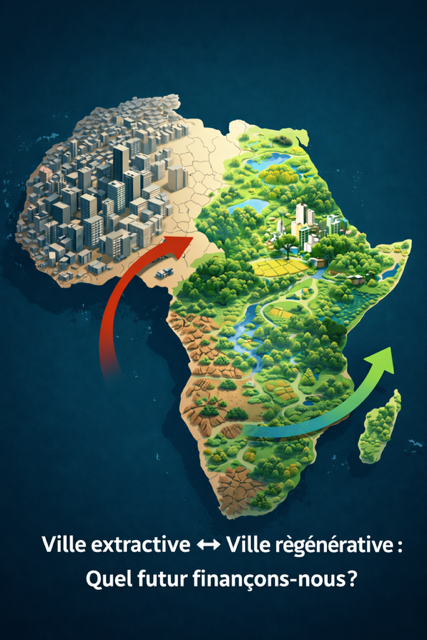
- an ecological transition that treats the city as a living ecosystem;
- a fiscal transition that provides local governments with predictable and adequate means to act;
- a political transition toward service-oriented, ethically grounded leadership.
None of these transitions will succeed if African societies continue to interpret their cities through imported narratives, obsolete planning models, or inherited fears. The first transformation we need is a transformation of perspective.
This is why, starting next week, I will publish a weekly piece drawn from the book—a short, curated fragment enriched with context and commentary—on my digital platforms and on the GPS-Development website (www.gps-development.org). Each instalment will be an open invitation to debate and a step toward building a more grounded, honest, and ambitious way of seeing African cities.
My aim is threefold:
- to open a broader public conversation on Africa’s urban futures;
- to bring essential concepts and transitions into everyday discourse;
- to engage planners, scholars, decision-makers, community builders, and citizens in a shared dialogue.
Africa does not lack ideas, talent, or innovation. What it lacks is a compass, a shared sense of direction capable of aligning effort, guiding choices, and unlocking potential. If this series helps shift perceptions, if it helps us see our cities not as burdens but as strategic assets, then it will have done its job.
Africa’s future will be urban.
The only real question is whether we will shape it deliberately, or leave it to chance.
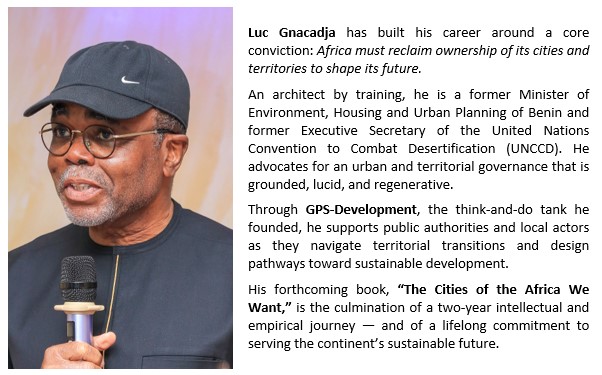
Luc Gnacadja is an architect and President of GPS-Development.
He is the former Minister of Environment, Housing and Urban Planning of Benin,
Former Executive Secretary of the United Nations Convention to Combat Desertification (UNCCD).
Also available as a PDF. Click here to download.